The thalidomide disaster
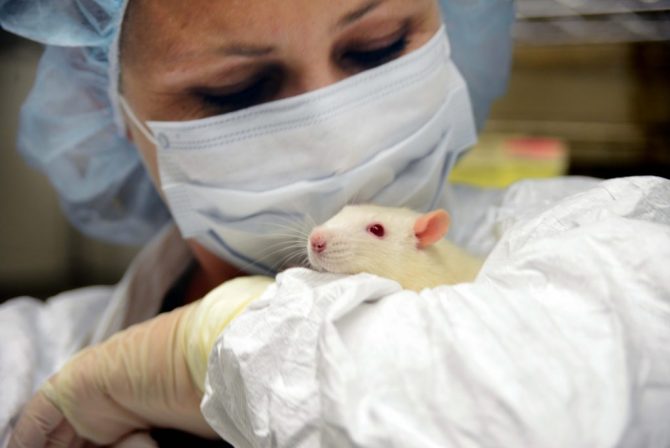
Thalidomide was synthesized in West Germany in 1954 and introduced as a sedative just two years later. It was licensed for use in Britain in 1958 and offered worldwide (see below for the US experience). Today, common testing can exceed 10 years before new drug approval and it makes the thalidomide approval seem like a short period of time, but during the 1950’s testing on drugs was far less rigorous than today. And this short window of research was further compounded by two serious issues: 1) the widely held belief that the fetus was protected from harmful agents by the placenta; and 2) animal research at that time relied on a limited variety of species. In this case, mostly mice and rats were studied, and it turned out that they both just happen to be highly resistant to Thalidomide’s harmful effects.
Thus, thalidomide seemed safe and for a time it was even marketed to pregnant women as a “wonder drug” for morning sickness and insomnia. However, by 1960 doctors were noticing adverse user side effects and it was removed from the world market. Tragically, this was too late for more than fifteen thousand affected children whose mothers had taken the drug before it had been identified as a teratogenic substance that could cause severe fetal development defects in numerous types of pregnant animals.
A Hero in the United States
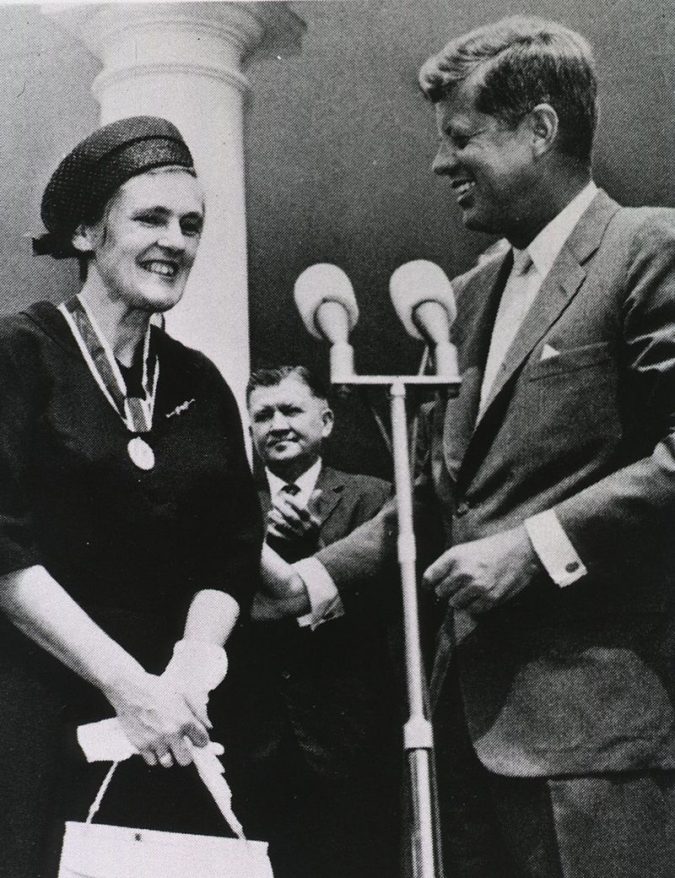
The US was not a part of the world market for this drug and escaped the full force of this tragedy, but only through the good luck of having an inspiring hero, Dr. Francis Oldham Kelsey, working as a young FDA drug reviewer. Through her own observations and notes, she developed a theory that thalidomide could cause damage to developing embryos and concluded that the drug needed further testing before approval should be granted for use in the US. Despite six challenging demands from the drug’s manufacturer, Dr. Kelsey stubbornly refused to budge from her disapprovals, though it was prior to the actual identification of thalidomide as a teratogenic substance. Her tenacity may have saved thousands of infants from birth defects and early death. [picture of Kennedy and Kelsey with caption] Her actions also buttressed the subsequent increase in research requirements for expanded and more comprehensive testing.
Anti-animal research proponents ignore the fact that this tragedy—narrowly averted in the United States—radically changed how thoroughly drugs are tested before being released to the public. Scientists now understand the vital importance of screening for a patient’s possible reactions to drugs as well as the possible effects on any child they may be carrying. Contrary to the claims of many anti-research groups, it’s a prime example of how important it is to continue to seek improvements in research and safety protocols in areas that produce cures and address the medical problems of both humans and animals. The thalidomide disaster led directly to improvements in research by using a wider variety of animal models before clinical trials on human subjects.
Which groups use Thalidomide in their arguments against animal research, and why?

Sources
- Acevedo, Christian, George. “Dr. Frances Oldham Kelsey, leading thalidomide opponent, dies at 10,” Science Times, Aug. 13, 2015.
- Aris, Rebecca. “How much confidence can we place in clinical evidence?” pharmaphorum, Ashton University, August 24, 2012.
- Fintel, Bara, Samaras, Athena T. and Carias, Edson. “The Tragic Lesson Behind Thalidomide,” Helix Magazine, Northwestern University, Science in Society research center, July 28, 2009.
- “Studies of Thalidomide’s Effects on Rodent Embryos from 1962-2008,” The Embryo Project Encyclopedia, Arizona State University, School of Life Sciences. Center for Biology and Society, March 3, 2007.




 .
.



Comments are closed here.